
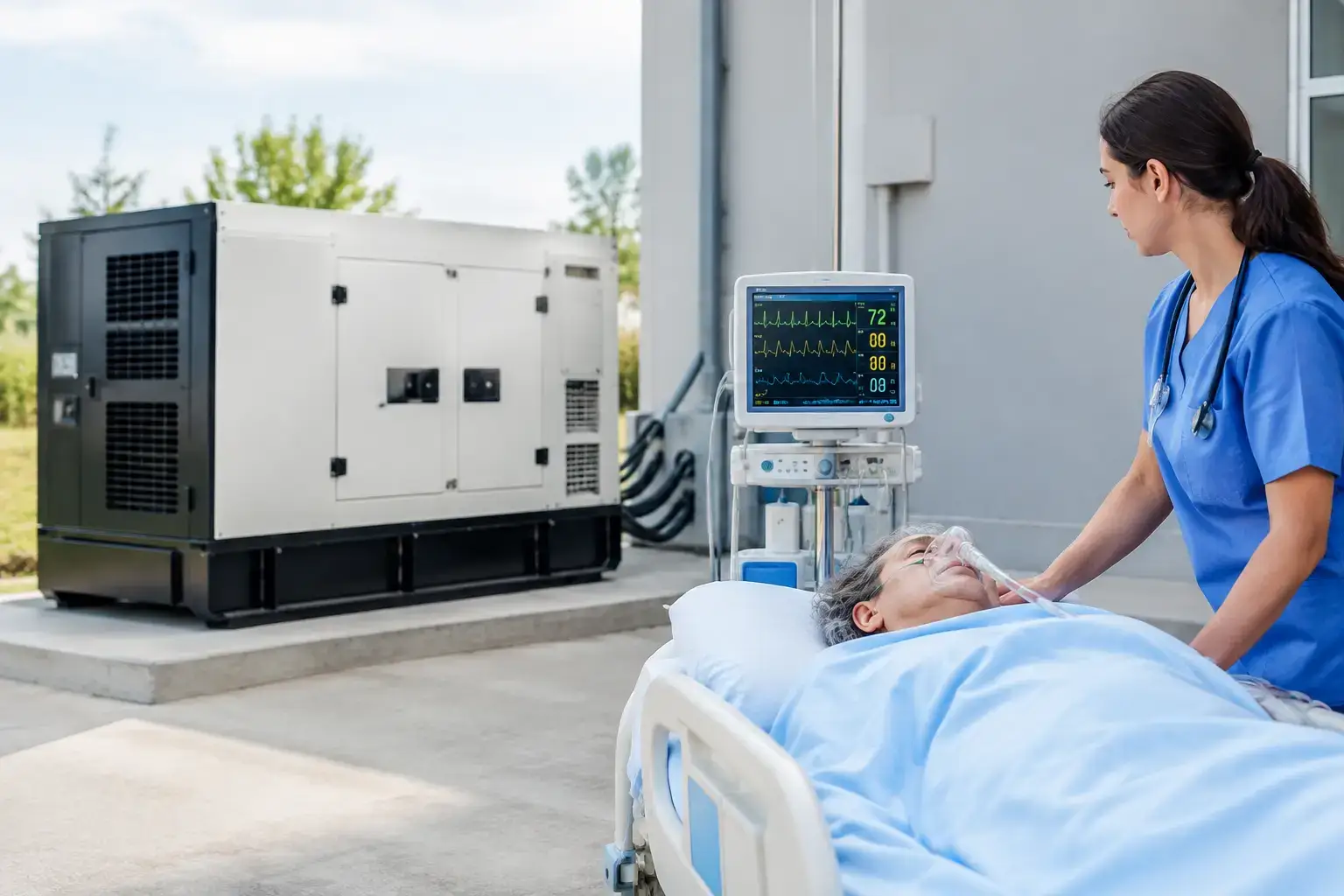
A power outage becomes a medical concern when a household depends on oxygen concentrators, CPAP or BiPAP machines, suction equipment, refrigerated medications, mobility devices, or other essential devices. So, can generators run medical equipment? In many cases, yes – but only when the generator, transfer equipment, fuel supply, and electrical installation are properly matched to the device and the home.
A generator should never be treated as a substitute for a patient-specific emergency plan. Device requirements vary, batteries have limits, and some equipment needs more than basic wattage to operate safely. For Houston-area homeowners, the right standby generator can provide a dependable layer of protection during hurricanes, severe storms, and extended grid interruptions.
Can Generators Run Medical Equipment During an Outage?
A properly installed standby generator can power many types of home medical equipment. It can also support the household systems that make care safer and more manageable, including air conditioning, lighting, refrigeration, internet service, security systems, and charging outlets.
The answer depends on three practical questions: how much power the equipment needs, whether it has special electrical requirements, and what other household loads must run at the same time. A small portable generator may be able to operate one device temporarily. A permanently installed home standby generator can be designed to carry selected essential circuits or, with the right capacity, much of the home.
For equipment that supports breathing, monitors a serious condition, or preserves medication, reliability matters as much as generator size. A professionally designed system starts automatically when utility power fails and transfers power through approved equipment. That removes the need for a family member to go outside during dangerous weather, start an engine, run extension cords, or guess which circuits are safe to use.
Start With the Medical Device Requirements
Every medical device should have a manufacturer label, manual, or power supply showing its voltage, frequency, amps, watts, and plug type. Most home devices use standard 120-volt power, but that does not mean they all behave the same way on backup power.
An oxygen concentrator, for example, may draw a consistent running load but require extra power when its compressor starts. A CPAP machine may use relatively little electricity, though a heated humidifier can raise its consumption. Refrigerated medications create a different need: the refrigerator must stay cold, but it may not need to run continuously every minute of an outage.
Before selecting a generator, document the exact make and model of every critical device. Ask the equipment provider or manufacturer whether the device is approved for generator use and whether it needs pure sine wave power, surge protection, a dedicated circuit, or a battery backup. Your prescribing clinician or care team should also be part of the emergency plan, especially for equipment that cannot be interrupted.
Do not rely on online wattage estimates alone. Two devices with similar names can have very different power demands. The label on the actual equipment is the starting point for a sound load calculation.
Running Watts, Starting Watts, and the Rest of the House
Generator sizing is not simply a matter of adding the wattage printed on medical equipment. Motors and compressors can use a larger surge of electricity at startup. Refrigerators, freezers, air conditioners, well pumps, and oxygen concentrators may all create startup demand that affects the generator selection.
The generator also needs to account for the loads that protect the patient and household. In Texas heat, air conditioning can be more than a comfort issue for older adults, infants, people with certain health conditions, and medications that require controlled temperatures. Lighting, a working refrigerator, communications, and a garage door opener may matter greatly during a prolonged outage.
A professional load assessment identifies what must operate, what can wait, and what should be managed automatically. Some homes are best served by an essential-load system that powers medical equipment, refrigeration, select lighting, outlets, and one air conditioning unit. Other homes need a whole-home standby generator sized to support normal living and care needs without constant decisions about what to turn off.
Why Standby Power Is Safer Than Extension-Cord Power
Portable generators can provide short-term emergency power, but they require hands-on operation and strict safety practices. They must remain outdoors, well away from doors, windows, and vents because carbon monoxide can be deadly. They also require refueling, weather protection, correctly rated cords, and careful load management.
Portable units must never be connected directly to a home’s electrical panel without an approved transfer switch. Improper backfeeding can injure utility workers, damage equipment, and create a fire hazard. A generator should also never operate in a garage, carport, enclosed patio, or near an open window, even for a short time.
A home standby generator is permanently installed outside and connected to an automatic transfer switch. When utility power fails, the system detects the outage, starts the generator, and moves selected circuits or the full electrical panel to generator power. When utility service returns, it transfers the home back and shuts down the generator in an orderly sequence.
For families supporting a loved one with medical needs, that automation can reduce a stressful gap between an outage and restored power. It also eliminates the physical demands and risks that come with moving a portable generator into position during heavy rain, high winds, or nighttime conditions.
Fuel Supply Is Part of Medical Power Planning
A generator is only dependable while it has fuel. Portable generators typically use gasoline, which requires storage, rotation, and safe refueling. During a widespread storm, gasoline may be difficult to obtain, and refueling a hot engine introduces additional risk.
Most residential standby generators operate on natural gas or propane. Natural gas can offer extended runtime when utility gas service remains available. Propane provides an independent on-site fuel supply, but tank size and expected runtime should be planned around the generator load and the length of outages common in your area.
Fuel planning deserves the same attention as electrical sizing. A system designed for critical medical equipment should not be based on assumptions about how long an outage will last or how much fuel a generator uses at partial versus full load. A qualified contractor can coordinate the generator, gas line or propane setup, and required clearances as one complete project.
Protect the Equipment, Not Just the Power Source
Medical equipment should be connected to properly installed, grounded circuits. Where appropriate, surge protection can help defend sensitive electronics from voltage events that occur when power is lost or restored. A battery backup can also bridge short transfer periods or provide temporary support if the generator needs service.
Not every device should be plugged into a general-purpose power strip. Follow the manufacturer’s instructions for the device, its power supply, and any battery system. Keep cords accessible and protected from trip hazards, and avoid overloading outlets with multiple high-draw appliances.
It is also wise to plan for communication. Keep phones charged, maintain a written list of device settings and provider contact information, and know when to call 911 rather than waiting for backup power. A generator supports preparedness, but it does not replace medical supervision or an evacuation plan when a patient’s condition requires a higher level of care.
Testing and Maintenance Keep the Plan Ready
A standby generator is not a set-it-and-forget-it appliance. It needs scheduled exercise, inspection, oil and filter service, battery checks, and periodic testing under load. The automatic transfer switch, fuel connection, and monitored circuits should be verified as part of ongoing service.
For a medical-power plan, test more than the generator itself. Confirm that the actual medical device receives power after a transfer, that essential outlets are labeled, and that household members know what to expect. Coordinate any test with the patient and care team so critical equipment is not disrupted.
Texas Direct Generators provides turnkey standby power projects from system selection and permitting through pad preparation, transfer switch installation, fuel coordination, testing, and final power-on. That single point of accountability helps homeowners avoid the gaps that can occur when electrical, fuel, and generator work are handled separately.
Build the System Before the Next Outage
The right generator plan begins with the person who depends on the equipment, not with a generator size picked from a brochure. List the critical devices, confirm their requirements, consider the home’s essential comfort and safety loads, and choose fuel capacity that fits a realistic outage scenario.
When medical equipment is part of daily life, dependable backup power is a practical safeguard. A professionally sized and maintained standby generator can give your household more time, more comfort, and a clearer path forward when the grid goes down.