
A power outage in Greater Houston is rarely a minor inconvenience. Heat and humidity can make a home uncomfortable fast, refrigerated food can spoil, security systems may go offline, and a business can lose hours or days of productive operation. The right backup power plan gives you a dependable response before the next storm, grid interruption, or equipment failure puts your property in the dark.
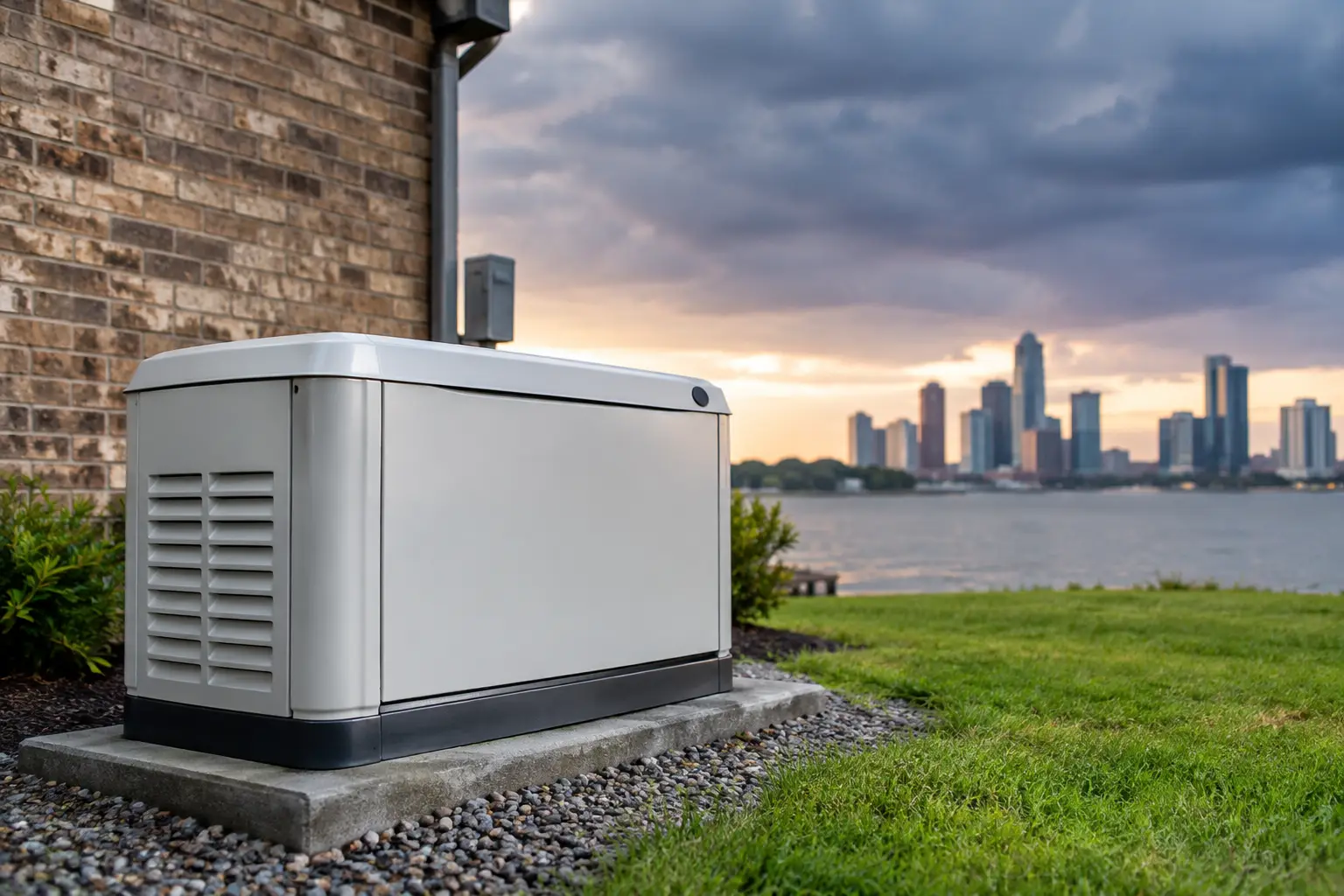
For many homeowners and businesses, a permanently installed standby generator is the practical answer. Unlike a portable unit that must be moved, fueled, and connected after an outage begins, a standby system monitors utility power and starts automatically when it is needed. But dependable performance depends on much more than buying a generator. It requires accurate sizing, safe fuel capacity, proper electrical work, permits, and testing from start to finish.
What Backup Power Should Protect
The first decision is not generator brand or size. It is deciding what must stay on when utility power is unavailable. A homeowner may want central air conditioning, refrigeration, lighting, internet service, garage doors, security equipment, and selected outlets. A family with medical equipment may have additional critical loads that cannot wait for an outage to pass.
For a commercial property, priorities can include emergency lighting, point-of-sale systems, servers, communications, access control, sump pumps, refrigeration, production equipment, or life-safety systems. The goal is to identify the loads that protect people, operations, inventory, and revenue without paying for more capacity than the property actually needs.
A whole-home or whole-building generator can make sense for larger properties and customers who want normal operation during an extended outage. Other properties are better served by a managed-load approach that supports essential circuits and selected major appliances. There is no one-size-fits-all answer. The right system reflects your electrical demand, your budget, the fuel available at the site, and how you need the property to function during an emergency.
How Standby Backup Power Works
A standby generator system is designed to operate without requiring someone to be on site. When the utility fails, the automatic transfer switch detects the interruption and safely separates your property from the grid. The generator starts, the transfer switch moves designated electrical loads to generator power, and the system continues operating until normal utility power returns.
Once the utility is stable again, the transfer switch returns the load to the grid and the generator completes a brief cool-down cycle before shutting off. This automatic sequence is a major reason standby systems are different from portable generators. There is no running extension cords through doors, refueling a hot machine in bad weather, or trying to connect equipment while the power is already out.
The transfer switch is not an accessory. It is a central safety component that prevents generator power from feeding back into utility lines. Proper transfer-switch selection and installation protect your property, utility workers, and electrical equipment. A qualified contractor should assess your existing electrical service and determine the appropriate switch, load-management equipment, and wiring configuration for the system.
Generator Sizing Is About Real Loads, Not Guesswork
A generator that is too small may overload when large appliances start, causing it to shut down or leaving key equipment unsupported. A system that is oversized can increase equipment, installation, and fuel costs without creating a meaningful benefit. Accurate sizing starts with a site evaluation.
During that evaluation, a professional should review the electrical panel, major appliances, HVAC equipment, well pumps if applicable, electric water heaters, pool equipment, kitchen loads, and the circuits you consider essential. Starting wattage matters as much as running wattage for equipment such as air conditioners, refrigerators, and motors. In Houston-area homes, air conditioning is often one of the biggest factors in system design.
Commercial sizing may require an even closer review. A restaurant, office, warehouse, medical practice, or retail location may have specialized equipment with operating demands that are not obvious from a basic panel inspection. A generator should support the loads that matter most while allowing the property to operate safely and predictably during an outage.
Fuel Planning Deserves the Same Attention as Equipment
A generator can only provide power while it has fuel. Natural gas is a common choice for homes and businesses with reliable gas service because it provides a continuous fuel supply without the need to refill a tank during a prolonged outage. However, the existing gas line must be evaluated to confirm that it can deliver the required volume while other gas appliances are operating.
Propane is another dependable option, particularly where natural gas is unavailable or where customers prefer on-site fuel storage. Propane tank size and placement affect how long the generator can run, local permitting requirements, and the available space on the property. A smaller tank may be adequate for occasional short outages, while longer outage protection may call for greater fuel capacity.
Diesel systems are common in certain commercial applications because they can support larger loads and extended operating requirements. They also require thoughtful fuel management, maintenance, and compliance planning. The right fuel choice depends on the property, generator size, expected runtime, and local site conditions.
From Permits to Power-On: What a Complete Installation Includes
A standby generator installation is a construction and electrical project, not a delivery appointment. A turnkey process should begin with a site assessment and system recommendation, then continue through every detail needed for safe operation.
That typically includes equipment selection, local permit coordination, concrete pad preparation, generator placement, electrical connections, automatic transfer switch installation, and fuel-line work. Placement matters because generators need proper clearance from structures, windows, vents, and other site features. Local codes and manufacturer requirements guide these decisions, and a good installation plan accounts for service access, noise considerations, drainage, and future maintenance.
After installation, the system should be tested under appropriate conditions and commissioned correctly. This is when the contractor confirms that the generator starts, the transfer switch operates as intended, selected loads are supported, and the homeowner or facility representative understands normal operation. A final power-on should feel routine because the hard work was handled before the lights went out.
Texas Direct Generators manages standby generator projects from permits to power-on, helping property owners avoid the burden of coordinating electricians, gas professionals, inspectors, and equipment providers on their own.
Maintenance Keeps Protection Ready
Standby generators are built to wait, but they should not be forgotten. Like any engine-driven equipment, they need scheduled service to remain ready for the moment they are called on. Regular maintenance generally includes inspection, oil and filter service when required, battery checks, exercise-cycle verification, fluid review, and an overall assessment of the generator, transfer switch, and fuel connection.
The best maintenance schedule depends on the generator model, operating hours, age, and local conditions. After a long outage, service may be needed sooner than the normal schedule. Batteries, in particular, can become the weak point in a system that otherwise appears to be in good condition.
If a generator fails to start, displays an alert, runs roughly, or does not transfer power correctly, do not wait for the next major weather event to address it. Prompt repair protects the investment and reduces the risk of finding out about a problem when the grid is already down.
Questions to Ask Before You Commit
Before choosing a backup power contractor, ask who will manage permits, electrical work, fuel connections, inspection requirements, and final testing. Confirm whether the installer is licensed and insured, whether the system includes an automatic transfer switch, and who will be available for maintenance and repairs after the installation is complete.
It is also wise to discuss financing early. A standby generator is a significant property investment, and financing options can help qualified customers move forward with the system they need rather than delaying protection until after the next outage.
Backup power is most valuable when it has been planned before conditions become urgent. A properly designed standby system gives your home or business a clear path forward when utility power is unavailable: protect the essentials, keep people safe, and maintain the comfort or operations that cannot simply wait for the lights to come back on.