
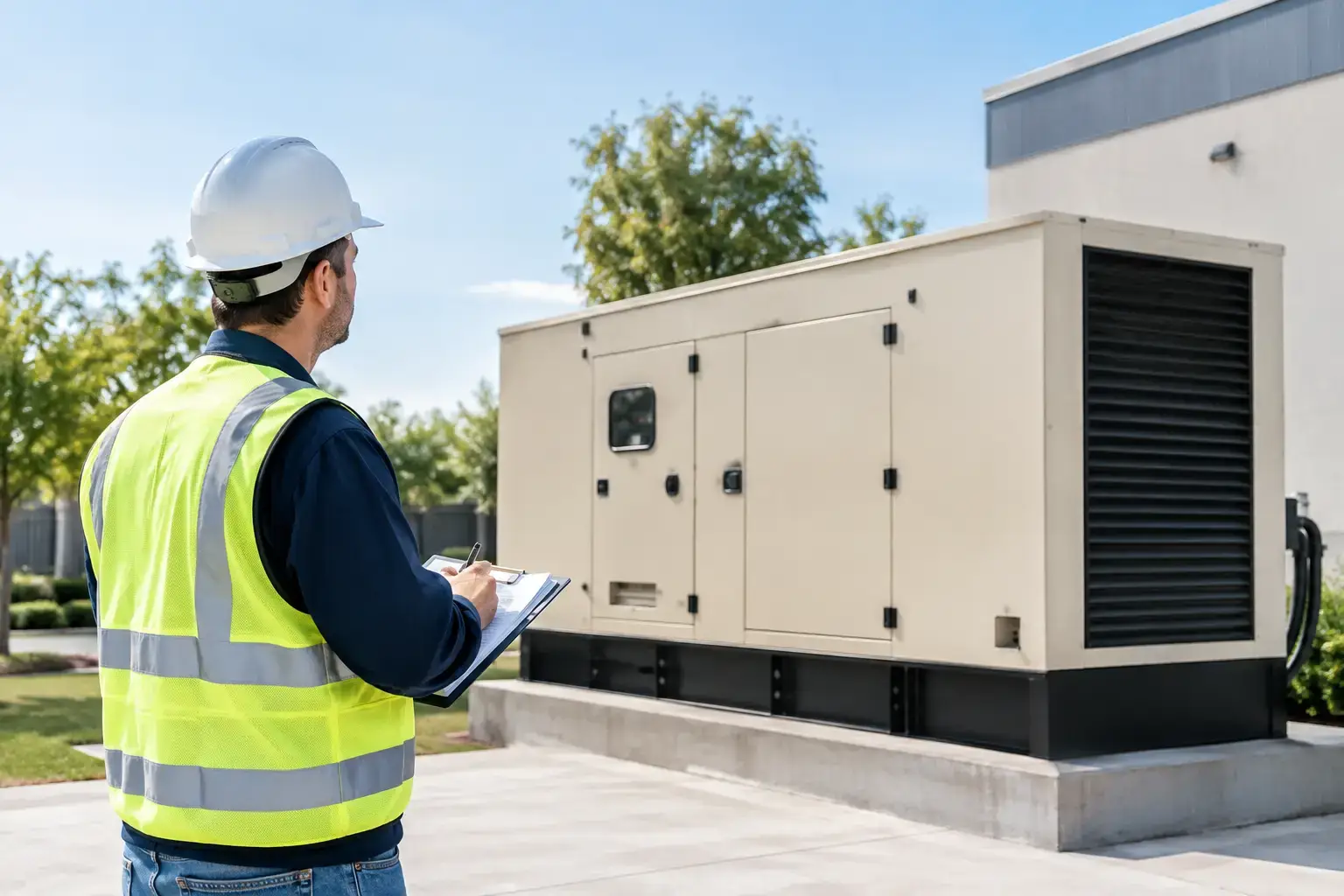
A standby generator should be ready before the next outage, not held up by a missed document, an undersized gas line, or a failed inspection. The standby generator permit process is the work that turns a generator purchase into a safe, code-compliant system that can start automatically when utility power goes out. For homeowners and businesses across Greater Houston and Fort Bend County, it is a necessary part of getting from concern about outages to dependable backup power.
A professionally installed standby system involves more than placing equipment beside a building. It connects electrical service, an automatic transfer switch, fuel supply, equipment clearances, and local building requirements. Permits and inspections help confirm that those pieces work together safely.
Why permits matter for standby generators
A permit is not just paperwork. It creates a documented review of the electrical and fuel-related work being performed on your property. Depending on the jurisdiction and project scope, permits may cover electrical work, plumbing or gas piping, and mechanical or site requirements. The local authority may also require a plan review before work begins.
This protects the property owner in several practical ways. A properly permitted installation helps verify that the transfer switch is installed correctly, conductors and breakers are sized appropriately, gas piping is designed for the generator load, and required equipment clearances are maintained. It also provides records that can matter during a property sale, insurance review, or commercial facilities audit.
Skipping permits can create expensive problems later. An installation may need to be opened up for inspection, modified after the fact, or delayed when a utility provider will not complete its portion of the work. For a business, an unpermitted system can also raise questions about safety compliance and continuity planning.
The standby generator permit process, step by step
The exact requirements vary by city, county, utility provider, property type, and generator size. Houston-area communities can have different submittal procedures and inspection practices, so no reputable contractor should treat every address as identical. Still, a well-managed project follows a clear sequence.
1. Start with a site and load assessment
Permit-ready planning begins at the property. A contractor evaluates the electrical service, the loads that need backup power, the available fuel source, generator location options, and access for installation and future maintenance.
For a home, that may mean deciding whether the generator will support the entire house or selected essential loads such as air conditioning, refrigeration, lighting, internet equipment, security systems, and medical equipment. For a commercial property, the conversation may include life-safety equipment, communications, refrigeration, point-of-sale systems, servers, production equipment, or other critical operations.
Generator placement is especially important. Manufacturers and local codes require clearances from structures, doors, windows, vents, meters, combustible materials, and other equipment. The location also needs a stable base, room for service access, and a path for electrical and gas connections. Flood risk, drainage, gates, landscaping, and neighborhood visibility can all affect the final plan.
2. Confirm local jurisdiction and property restrictions
The authority issuing the permit may be a city, a county, or another local jurisdiction. Properties in Houston, Sugar Land, Missouri City, Pearland, Richmond, Katy, Stafford, Rosenberg, and unincorporated areas may follow different local processes. Commercial properties may have additional requirements based on occupancy, fire protection systems, or the scope of the electrical work.
Homeowners should also remember that an approved municipal permit does not replace HOA approval. Many associations have rules about equipment location, screening, setbacks, and exterior modifications. HOA review can take time, so it is smart to address it early rather than waiting until installation is scheduled.
If a property is in a floodplain or has unusual drainage conditions, the project may need extra review. A generator pad may need to be elevated or positioned differently to meet local requirements and protect the equipment from water exposure.
3. Prepare the application and supporting documents
Most permit applications need more than a generator model number. The local authority may request a site plan showing the generator location, distances to nearby structures and openings, the electrical service equipment, and the proposed transfer switch. Electrical details can include generator output, breaker sizes, conductor sizes, grounding, and transfer equipment specifications.
Fuel documentation is often just as important. Natural gas installations may require information about the existing meter, gas-pipe sizing, total connected gas load, and the added demand of the generator. A generator that starts successfully on paper can still perform poorly if the gas system cannot deliver adequate fuel under load. Propane installations require coordination around tank location, capacity, piping, regulators, and applicable safety clearances.
A qualified turnkey contractor gathers the project details, prepares the required submittals, and communicates with the jurisdiction when questions arise. That coordination reduces the chance that a homeowner or facility manager is left trying to interpret technical requests from multiple parties.
4. Obtain approval before installation work begins
Once the application is submitted, the jurisdiction reviews it and may issue comments, request revisions, or approve the permit. Approval timelines vary. A straightforward residential project may move quickly, while commercial projects, complex sites, or busy storm seasons can take longer.
This is one reason to plan backup power before hurricane season or before a known operational need becomes urgent. Equipment availability, utility coordination, permit review, and inspection scheduling all take time. Starting early gives the project team room to solve real issues without rushing safety decisions.
5. Complete installation according to the approved plan
After permits are issued, installation can move forward. The work typically includes concrete pad preparation, generator placement, automatic transfer switch installation, electrical connections, gas-line work, grounding, and required disconnects or protective equipment.
The transfer switch is central to a safe standby system. It isolates the generator from the utility during an outage, preventing dangerous backfeeding and allowing the system to transfer power automatically. Electrical work must be coordinated carefully with the existing service equipment, especially on larger homes and commercial properties with more complex distribution systems.
Fuel work should never be treated as an afterthought. Natural gas pipe sizing depends on pipe length, material, gas pressure, other appliances, and generator demand. Propane systems require proper tank sizing and placement so the generator can operate reliably during an extended outage. The right equipment is only as dependable as the fuel supply behind it.
6. Schedule inspections and address corrections if needed
The permit process usually includes one or more inspections after installation. Inspectors may review the electrical work, gas piping, generator placement, transfer switch, grounding, labeling, and required clearances. Some jurisdictions perform separate electrical and plumbing or gas inspections.
An inspection is not a sign that something went wrong. It is the final verification that the system was installed to the applicable code and approved plan. If an inspector identifies a correction, the contractor should explain the issue clearly, complete the correction, and arrange reinspection as needed.
For property owners, the key is accountability. You should know who is tracking inspection status, who responds to inspector comments, and when the system is cleared for final operation. Texas Direct Generators manages this permits-to-power-on process so customers have one local team responsible for moving the project forward.
What can delay a generator permit or inspection?
Most delays are preventable when planning is thorough. Common issues include an incomplete site plan, a generator placed too close to an opening or meter, insufficient gas capacity, unclear electrical information, HOA restrictions, and inaccessible equipment at the time of inspection. Wet weather can also affect pad preparation, trenching, or access to the work area.
Commercial installations can require more coordination because they may involve larger generators, multiple electrical panels, business-hour constraints, critical loads, engineering review, or fire-related requirements. In those cases, the best approach is to build a realistic timeline around the property rather than promise a one-size-fits-all installation date.
What homeowners and facility managers should do
Your role is simpler when you choose a contractor that owns the full scope, but early decisions still help keep the project moving. Identify what must stay powered during an outage, gather any HOA documentation, disclose known site constraints, and make sure decision-makers are available to approve equipment location and project scope.
For businesses, include the people responsible for operations, IT, safety, and facilities early in the discussion. The right generator size is not based only on square footage. It depends on the equipment that must continue operating and whether the goal is limited continuity, full-building backup, or support for a defined critical-load panel.
A properly permitted standby generator is a long-term asset, not a rushed storm-season purchase. When the plan, fuel system, electrical work, inspections, and final testing are handled with discipline, the result is simple: when utility power fails, your generator is ready to do its job.