
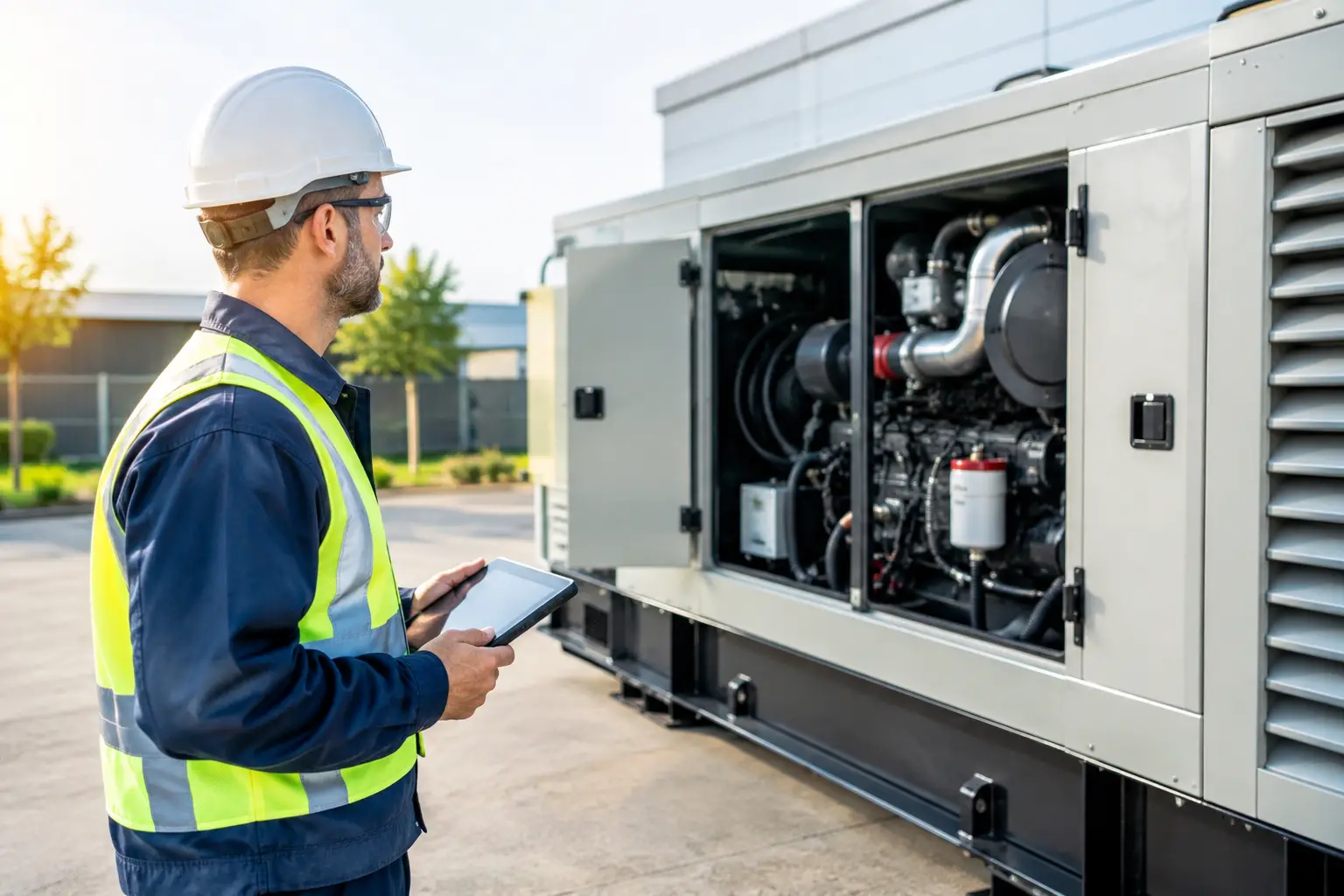
A standby generator is only valuable if it starts when the utility power does not. Emergency generator testing gives homeowners, business owners, and facility managers proof that the equipment, fuel supply, transfer switch, and selected electrical loads are prepared for a real outage – not just assumed to be ready.
For Greater Houston and Fort Bend County properties, that confidence matters. Severe weather, grid interruptions, and extended heat can turn a routine power loss into a safety, comfort, inventory, or operations problem. A proper test finds small issues while there is time to correct them, rather than during the first hours of an emergency.
What Emergency Generator Testing Actually Verifies
Many owners hear a generator run during its scheduled exercise cycle and assume the entire backup power system has been tested. The exercise is useful, but it is only one part of the picture. Depending on the system configuration, an unloaded exercise may start the engine without transferring the building to generator power or proving the generator can handle the loads it was designed to support.
A meaningful test evaluates the complete sequence. The generator must detect utility loss, start within the expected time, allow the automatic transfer switch to move critical circuits or the full service to generator power, and maintain proper voltage and frequency while equipment is operating. When normal utility power returns, the system should transfer back correctly and complete its cooldown cycle.
That sequence involves more than the generator itself. The electrical controls, battery, charger, breakers, fuel system, gas pressure, transfer switch, wiring connections, and programmed settings all have a role. One weak component can prevent an otherwise well-maintained generator from doing its job.
The Difference Between Exercise and Load Testing
Most modern Generac standby generators are programmed to exercise automatically on a regular schedule. During this brief run, the unit circulates oil, charges the battery, and confirms basic engine operation. Owners should pay attention to these exercises. An unusual sound, a warning light, a failed start, or a service alert deserves prompt attention.
Still, an exercise cycle is not the same as a transfer test under load. A load test intentionally confirms that the generator can power the equipment selected for backup service. In a home, that may include air conditioning, refrigeration, lighting, internet equipment, security systems, well pumps, or medical equipment. In a commercial setting, it may include refrigeration, communications, point-of-sale systems, safety lighting, servers, production equipment, or other designated critical loads.
The right testing approach depends on the property and system. A residential standby generator may be tested by simulating a utility outage under controlled conditions. A commercial system may need more formal testing procedures, documented run time, or load-bank testing when normal building load cannot safely or adequately test the generator. Facilities with life-safety responsibilities, regulated operations, or substantial financial exposure should follow the testing schedule and documentation requirements that apply to their equipment and occupancy.
What Happens During a Professional Generator Test
Professional testing starts before the engine runs. A technician inspects the generator enclosure, looks for corrosion, loose connections, leaks, rodent damage, blocked airflow, and signs of water intrusion. The battery and charging system are checked because starting batteries are among the most common reasons standby generators fail to start.
Fuel inspection is just as important. Natural gas systems need adequate pressure and correctly sized piping. Propane systems need sufficient fuel in the tank, functional regulators, and a fuel plan that accounts for expected outage duration. Diesel systems require attention to fuel quality, water contamination, and tank condition. A generator can be mechanically sound yet fail because fuel cannot reach the engine at the required rate.
The technician then reviews the controller for active or historical alarms and verifies the programmed exercise schedule. During a controlled utility-loss test, the generator is observed as it starts, warms up, accepts the electrical load, and runs. Readings such as voltage, frequency, operating temperature, and fault status help identify issues that may not be obvious by sound alone.
Once utility power is restored, the transfer switch should return the property to normal power without unnecessary interruption. The generator then runs through its cooldown period before shutting down. Any error code, delayed transfer, unstable output, or unexpected shutdown should be diagnosed before the system is considered ready.
How Often Should You Test a Standby Generator?
There is no single schedule that fits every property. Generator manufacturer recommendations, local requirements, system age, fuel type, usage history, and the consequences of an outage all affect the answer.
For most home standby systems, owners should verify that the automatic exercise occurs as scheduled and arrange routine professional maintenance at least annually. Systems that support medical equipment, operate in harsh conditions, have high run hours, or protect a business may warrant more frequent inspection and testing. After a major outage, flood event, extended run period, or repair, a follow-up test is a practical way to confirm the system is ready for the next event.
Commercial properties should be especially deliberate. A generator that supports essential operations may need monthly operational checks, periodic transfer testing, and formal service records. The required scope depends on the equipment, the facility, and any applicable code or industry standard. A qualified generator contractor can help establish a plan that fits the property instead of applying a generic schedule.
Warning Signs That Should Not Wait for the Next Service Visit
Some problems announce themselves during normal operation. If your generator displays a warning or fault code, fails to complete its exercise cycle, cranks slowly, runs roughly, smells of gas or fuel, leaks fluid, or makes an unfamiliar noise, schedule service promptly. Do not repeatedly reset a fault without finding the cause.
Transfer problems deserve the same attention. If lights flicker excessively during a transfer, critical equipment does not come back on, or the generator runs but the property remains without power, the issue may involve the transfer switch, breakers, wiring, load management settings, or generator output. These are not do-it-yourself electrical repairs.
Keep the area around the generator clear of leaves, storage items, vegetation, and anything that could restrict airflow or access. Homeowners can also check the controller display periodically and make sure the generator is not blocked after landscaping work or storm debris cleanup. Beyond those basic observations, service should be handled by trained professionals.
Testing Protects the Investment You Already Made
A standby generator is a coordinated power system, not a single appliance. The concrete pad, fuel connection, electrical installation, automatic transfer switch, permits, commissioning, and maintenance all affect its reliability. Skipping testing risks discovering a correctable battery, fuel, or control issue only when the home or business is counting on backup power.
For new installations, final power-on and commissioning should include a complete operational test. For existing systems, scheduled maintenance provides the right opportunity to inspect wear items, review alerts, and test performance before storm season places more demand on local service resources.
Texas Direct Generators provides turnkey standby power support from system selection and installation through maintenance, repairs, fuel coordination, and testing. The goal is straightforward: your generator should be prepared to carry the loads it was installed to protect when utility power is unavailable.
Before the next forecast turns serious, look at the date of your last professional service and ask a simple question: has your generator only run, or has it truly proven it can power your property? Scheduling the right test now gives you time to address problems on your terms.