
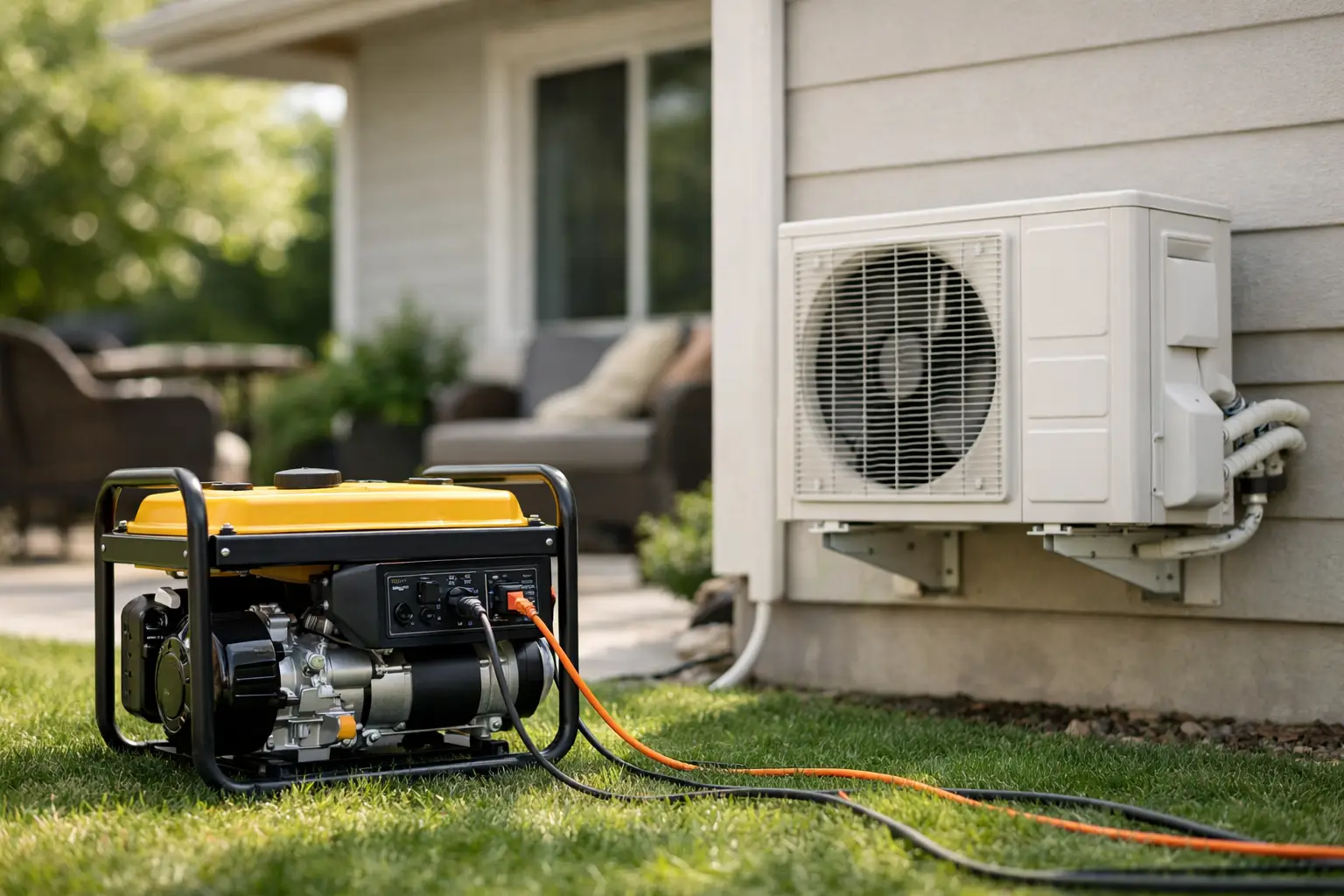
A Houston-area outage can turn a comfortable home into a dangerous place quickly, especially when heat and humidity climb after a storm. So, can a generator power air conditioning? Yes, but only when the generator, fuel supply, transfer equipment, and selected electrical loads are properly sized for the system you expect it to carry.
That distinction matters. A generator that can keep a refrigerator, lights, and internet running may not have enough capacity to start and operate a central air conditioner. Planning for cooling requires more than choosing the largest number on a product label. It requires a clear look at your air conditioning equipment, your household or facility loads, and how the system will be installed.
Can a Generator Power Air Conditioning Reliably?
A properly designed standby generator can power central air conditioning during an outage. Many Greater Houston homeowners choose standby power specifically so their home can remain cool, safe, and livable through extended utility interruptions.
However, air conditioning is one of the largest electrical loads in most homes. The outdoor condenser uses substantial power when its compressor starts, and the indoor air handler or furnace blower also draws power. If the generator is too small, the AC may fail to start, the generator may overload, or the system may have to shed other important loads.
The right answer depends on whether you want to power one AC system, multiple systems, or only a smaller portion of the home. It also depends on what else must remain on: refrigeration, lighting, well pumps, medical equipment, security systems, computers, garage doors, kitchen appliances, and electric water heaters can all affect the final generator recommendation.
For a business or commercial property, the same principle applies at a larger scale. A generator may support selected HVAC equipment, critical refrigeration, communications, emergency lighting, access control, and designated work areas without necessarily carrying every load in the building. A load plan keeps the investment focused on what must remain operational.
Why Air Conditioners Need More Than Their Running Wattage
Every motor-driven appliance needs more electricity to start than it needs to keep running. Central AC compressors are a prime example. This brief startup demand is often called inrush current or starting load.
Your condenser nameplate provides the information a professional uses to evaluate its electrical demand. Relevant values can include voltage, minimum circuit ampacity, maximum overcurrent protection, and locked-rotor amperage. The last figure can be especially significant because it reflects the compressor’s starting demand.
A common mistake is estimating a generator based only on an air conditioner’s tonnage. A 3-ton system does not always have the same electrical requirements as another 3-ton system. Equipment age, efficiency rating, compressor type, voltage, and manufacturer specifications all make a difference. Two homes with similar square footage may need very different backup-power designs.
The indoor equipment matters too. If your air handler, furnace blower, condensate pump, zoning controls, or UV system is connected to the same HVAC setup, those loads belong in the calculation. A sound recommendation considers the complete system, not just the outdoor unit.
Soft Starts Can Change the Design
A soft-start device can reduce the startup demand of a compatible air conditioner. This may allow a generator to start the compressor with less strain and may reduce the generator size needed for a particular load plan.
A soft start is useful, but it is not a substitute for professional sizing. The generator still needs adequate capacity for the AC while it is running and for other loads that may operate at the same time. It should also be installed and evaluated according to the equipment manufacturer’s requirements.
Standby Generators vs. Portable Generators for AC
Portable generators can be useful for short-term essentials, but they are often a limited solution for central air conditioning. Many do not produce enough continuous power to comfortably carry a central AC system plus normal household necessities. They also require manual setup, safe outdoor placement, refueling, properly rated cords or inlet connections, and careful load management.
Portable generators must never be operated in a garage, patio enclosure, or near doors, windows, or vents. Carbon monoxide can enter a building rapidly and cause fatal exposure. They must also never be connected by backfeeding through a dryer outlet or other receptacle. Backfeeding can energize utility lines, endanger line workers, damage equipment, and violate electrical code.
A home standby generator is permanently installed outdoors and connected through an automatic transfer switch. When utility power fails, the transfer switch separates your home from the utility supply and signals the generator to start. Depending on the system design, it can restore power to selected circuits or to the whole home in seconds.
For homeowners who want dependable AC protection without moving equipment or managing gasoline during a storm, standby power is generally the better long-term solution. Natural gas provides continuous fuel where service remains available, while properly sized propane storage can provide an independent fuel source for homes outside natural gas service areas.
How to Size a Generator for Central Air Conditioning
Generator sizing should begin with a load assessment, not a guess based on home size alone. A qualified contractor reviews your electrical panel, HVAC nameplates, major appliances, desired circuits, fuel availability, and local installation requirements.
Start by deciding what “comfort during an outage” means for your property. Some households want one central AC system, refrigeration, lights, internet, and a few kitchen circuits. Others want both AC units, pool equipment excluded, and most of the home operating normally. Neither approach is automatically right. The practical choice is the one that protects your priorities within a realistic budget and fuel plan.
A properly designed system may use managed power to prioritize major loads. For example, an air conditioner and an electric dryer may not need to run simultaneously during an outage. Load-management controls can prevent certain high-demand appliances from operating at the same time, helping the generator support the loads that matter most.
Do not rely on online wattage charts as the final answer. They can provide a starting point, but they cannot account for the exact AC equipment in your home, existing electrical configuration, local code requirements, or the condition of your fuel service. Accurate sizing protects both comfort and equipment.
Whole-Home Power Is Not Always All Loads at Once
“Whole-home generator” can mean the generator is connected to the entire electrical panel, but that does not always mean every electrical load can operate at the same moment. The system may be designed to manage high-demand loads automatically.
This is not a shortcoming. It is a deliberate way to keep essential systems, including air conditioning, operating without overloading the generator. A clear walkthrough before installation prevents surprises when the power goes out.
Installation Details That Protect Your Cooling System
The generator is only one part of a reliable backup-power project. The installation must include a correctly sized automatic transfer switch, proper electrical connections, fuel piping or propane supply, grounding, clearances, permits, and final testing under expected loads.
For Houston and Fort Bend County properties, local permitting, gas requirements, and placement rules can influence the project. Concrete pad preparation and generator location must allow safe operation and service access while meeting applicable code and manufacturer clearance requirements. Fuel capacity must also support the anticipated runtime, particularly if the generator will carry air conditioning through a multi-day outage.
After installation, commissioning confirms that the generator starts correctly, transfers power safely, and handles the selected loads. Scheduled maintenance then helps ensure the unit remains ready. Oil, filters, battery condition, exercise cycles, diagnostic alerts, and fuel-system components all deserve attention long before severe weather arrives.
Texas Direct Generators manages these details from permits to power-on, including system selection, transfer-switch installation, fuel coordination, testing, and ongoing service. That single point of accountability matters when your AC is part of the backup-power plan.
Make the Decision Before the Forecast Changes
Air conditioning backup is not simply about avoiding inconvenience. During a prolonged Texas outage, reliable cooling can protect children, older adults, pets, medication, sleep, and the ability to stay safely at home. For businesses, it can also protect staff, customers, inventory, equipment, and continuity of operations.
Before the next storm watch appears, locate your HVAC nameplates, list the loads you cannot afford to lose, and have a professional evaluate the property. The best time to determine whether your generator can carry the air conditioning is when the lights are still on and there is time to design the system correctly.